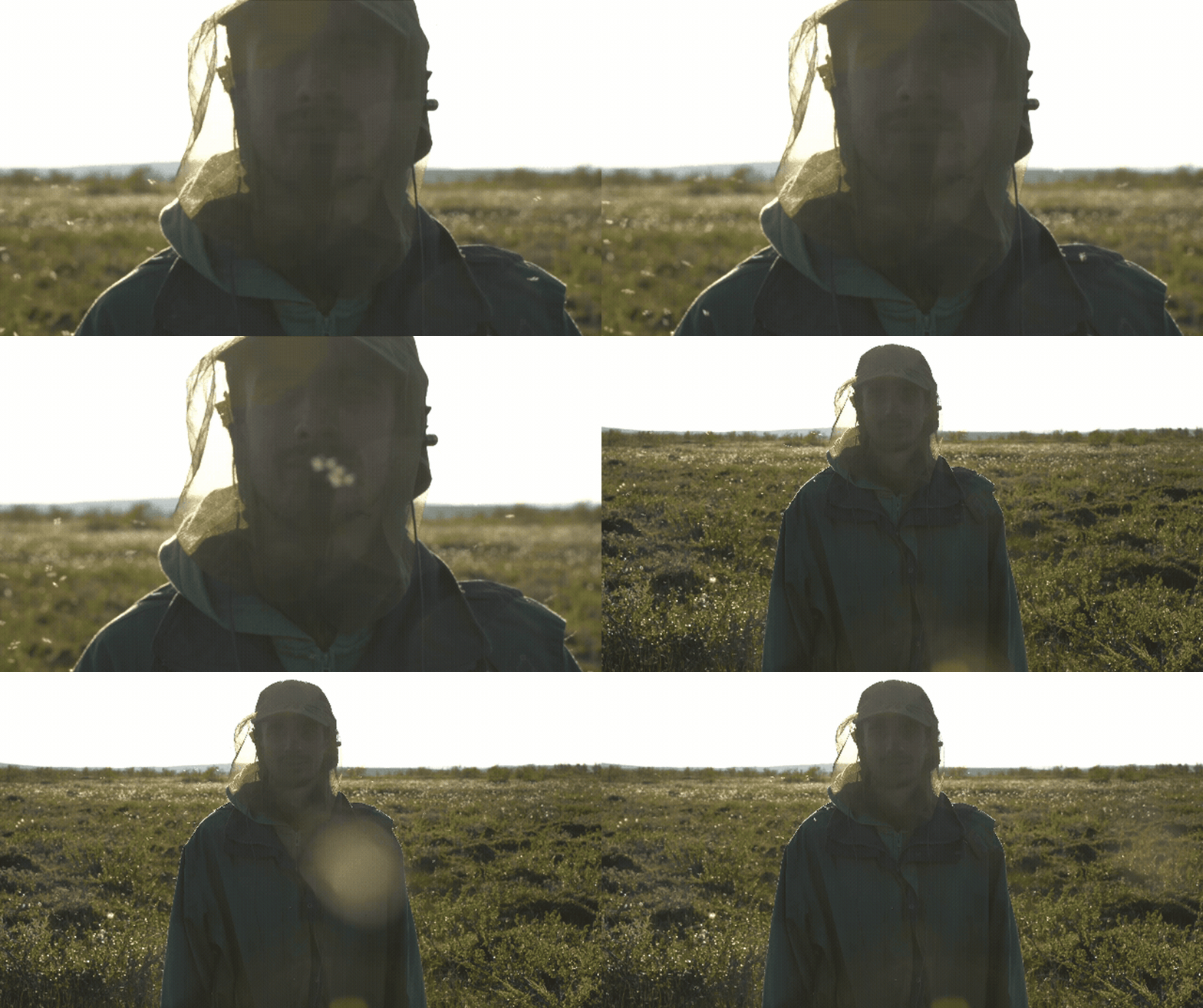
Čuoikkariššu / Mosquito Shower
Čuoikkariššu / Mosquito Shower is a sound shower originally commissioned and hosted by the Arctic Art Forum 2026 (March 7-26, 2026), at the Climate House of the Natural History Museum of Oslo, Norway.
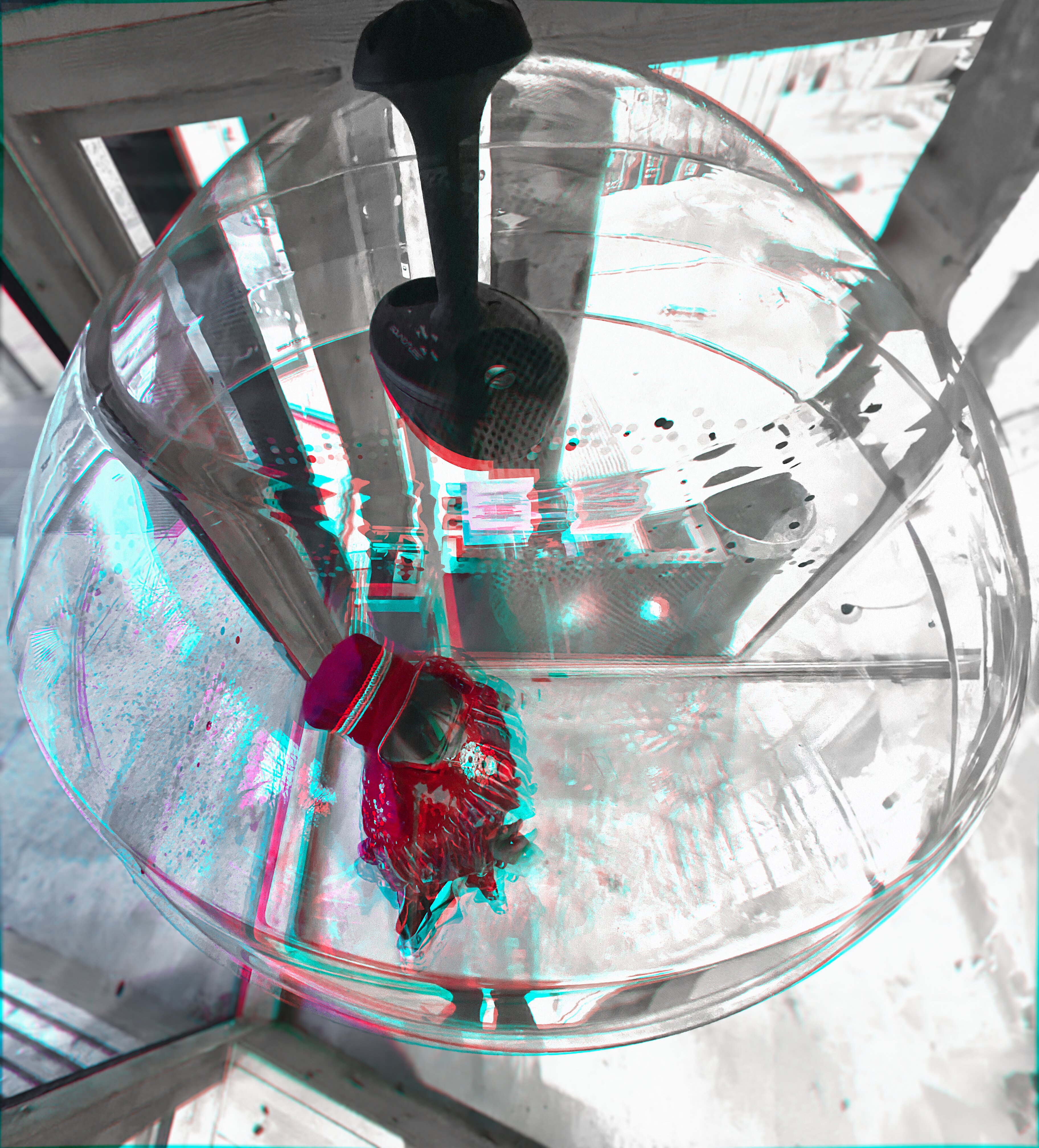
Curated by Italian sound artist and ecologist Nicola Renzi together with Indigenous Sámi scholar and yoik performer Mai Britt Utsi, Čuoikkariššu / Mosquito Shower explores the tension between discomfort and coexistence through the itchy sound of mosquitoes, tiny beings with an outsized ecological role in increasingly fragile Arctic ecosystems. Their buzzing may also appear faint and minuscule, yet in its ubiquity, it shapes how tundra environments are experienced and lived.
The installation is informed by Sámi ecological knowledge, within which mosquito sounds inspire and sustain oral traditions shared by humans and the Land. By showering listeners in intense buzzing, we explore ethical and aesthetic implications of attending to uncomfortable forms of coexistence in times of planetary trouble.
Changes in soundscapes often accompany — and sometimes even precede — changes in the landscape. In fragile Arctic ecosystems, even the smallest shifts matter. Mosquitoes play essential roles: they support food webs, influence animal movement, and contribute to the balance of tundra life. Today, the Arctic is warming rapidly. Mosquitoes are appearing earlier in the year, their life cycles are changing, and new species are moving north. While scientists are still learning how these transformations will affect ecosystems and biodiversity, Indigenous ecological knowledge offers insights grounded in long-term coexistence and close attention even to the microscopic change.
In the European Arctic, the Sámi Indigenous peoples have come to live with mosquitoes as part of a broader network of care across all Earth beings. Attending closely to their presence also means attending to their sound, and the stinging discomfort we commonly associate to these insect’s buzzing for some Sámi may be heard as a beautiful yoik melody. Acoustic itch becomes a provocative threshold for rethinking human responsibility toward beings we are commonly trained to eradicate, transforming reflexive rejection into a bodily experiment in multispecies care and aesthetics.
With Čuoikkariššu / Mosquito Shower, Nicola Renzi and Mai Britt Utsi invite audiences to listen with care. And if one stops long enough, a melody will appear.
continue reading ↓
read less ↑
At the end of this page you will find a list of articles and other references that dialogue with the installation's theme.
Could you hear a melody in the sound shower?
If not, try listening to Mai Britt Utsi’s Mosquito Joik linked below, then step back under the sound shower